Elder Fraud: How to Protect Loved Ones from Financial Loss
1/28/2026 8:15:00 PM

It all started with a seemingly innocent five-minute phone call. By the time it ended, a lifetime of savings was gone, leaving nothing but an empty bank account. The personal information that was once private was now exposed and vulnerable to exploitation.
Retirement should be an exciting time, but unfortunately, millions of older adults are falling victim to these scam calls every year. According to the FBI’s Internet Crime Complaint Center (IC3) 2023 report, over 100,000 victims over the age of 60 reported fraud, with total losses exceeding $3.4 billion. That number doesn’t even account for those who suffer in silence and never report the incident.
As technology advances and scammers become more sophisticated, protecting our loved ones has never been more important. Older adults are often targeted because they’re seen as trusting, financially stable, and less familiar with modern digital threats. Fraudsters exploit emotional vulnerabilities without hesitation, taking the money their victims worked so hard to earn and save.
How We Can Help Stop Elder Scams
Education and open dialogue are the first lines of defense. While it may be uncomfortable, having conversations about potential scams can prepare your loved ones, and possibly prevent them from falling victim.
A simple conversation today can prevent heartbreak tomorrow, especially for elders who are new to technology like social media and email.
Older adults are frequently targeted in the following types of scams:
Romance Scams
Scammers use social media or dating sites to build fake relationships. Once trust is established, they request money for emergencies like medical or legal issues.
Tech Support Scams
Victims receive unsolicited calls or pop-ups claiming their device has a virus. The scammers then trick them into downloading software that steals personal and financial information.
Government Impersonation
Fraudsters pretend to be from agencies like the IRS or Social Security, demanding money for fake debts or requesting sensitive data.
Sweepstakes or Lottery Scams
Victims are told they’ve won a prize but must pay taxes or fees to claim it. These scams often involve "international sweepstakes" with automatic entries.
Grandparent or Emergency Scams
A scammer pretends to be a grandchild or family member in urgent need—asking for money to cover bail, hospital bills, or travel. Always verify before sending funds.
Home Repair Fraud
A fake contractor offers an “unbeatable deal,” demands cash upfront, starts minimal work, then vanishes, leaving unfinished projects and financial loss.
Keeping Your Money Safe Online and Offline
Here are a few ways to help protect the ones you love:
- Be skeptical of unsolicited calls or messages. Ask questions to confirm legitimacy.
- Independently verify all requests for money or sensitive information. Use known contact numbers, and never send sensitive data via email or text.
- Keep personal information private. Don’t share with unknown callers and ask callers to verify company name and account details.
- Avoid payments via gift cards, wire transfers, or other hard-to-trace methods.
- Use strong passwords, trusted antivirus software, and two-factor authentication where possible.
What to Do If You Get Scammed
If you or a loved one has been targeted by a scammer:
- Contact your banker immediately to review account activity and update login credentials.
- Open new accounts if necessary to safeguard remaining assets.
- Notify the three major credit bureaus (Equifax, Experian, and TransUnion) to place fraud alerts or freezes on credit files.
- Report the incident to local law enforcement and appropriate government agencies, such as the FTC or FBI’s IC3.
Kearny Bank Helps You Protect What Matters Most
Need help or guidance? Speak with your local Kearny Bank team. We’re here to help, every step of the way.
Spread the word
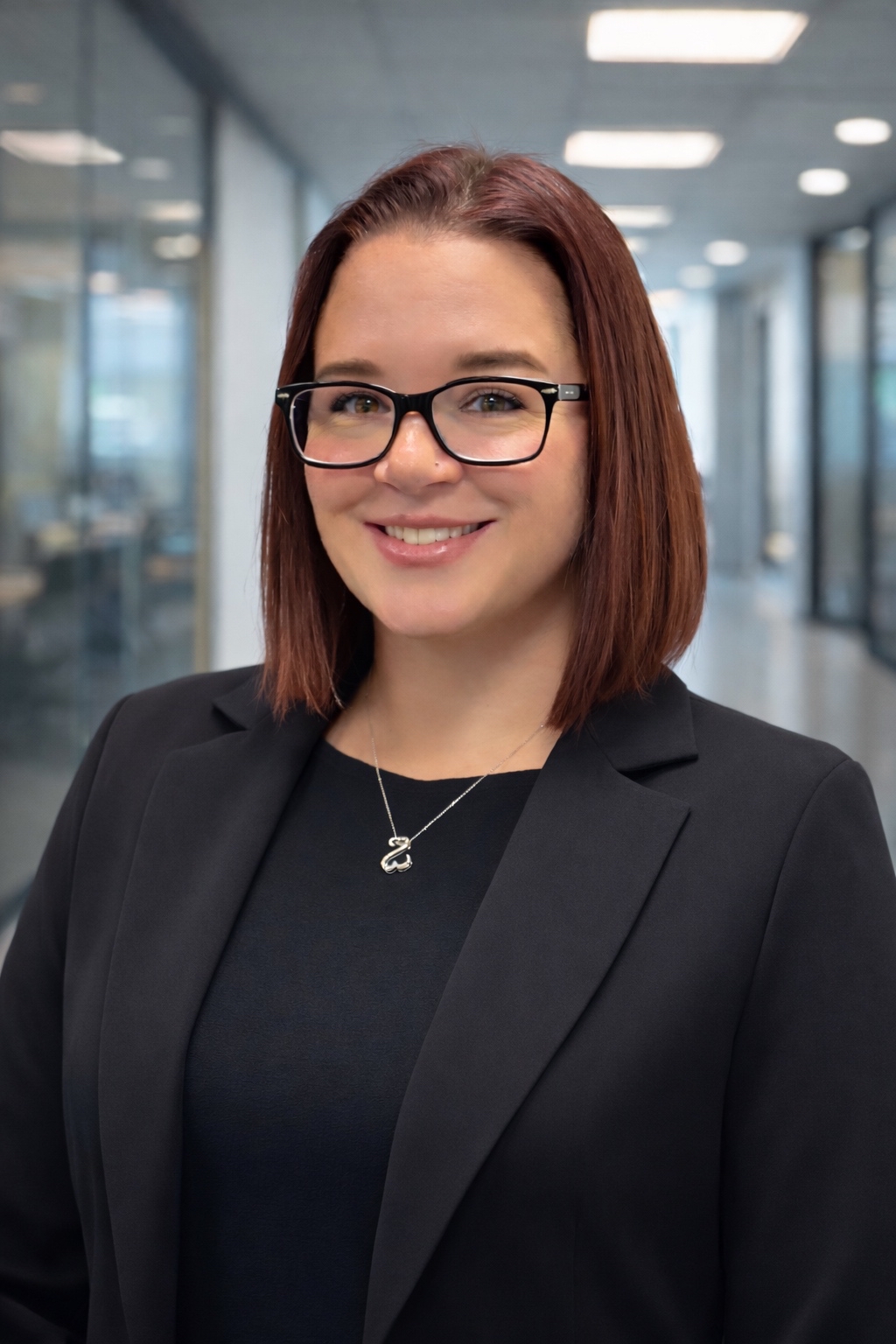
Lauren Lewis
Lauren Lewis is an Assistant Vice President and the AML/CFT Monitoring & Reporting Supervisor for Kearny Bank’s AML/CFT Department. Lauren leads the team responsible for ongoing transaction monitoring and regulatory reporting to support the Bank’s compliance with AML/CFT and sanctions requirements. Lauren has more than 20 years of banking experience and joined Kearny Bank in 2020 through the Millington Bank acquisition. She brings extensive expertise in financial crime compliance and is a Certified Anti-Money Laundering Specialist as well as a member of both the Association of Certified Anti-Money Laundering Specialists and the Association of Certified Financial Crimes Specialists.